
The Most Famous Painting Museums in the World Every Art Lover Should Visit
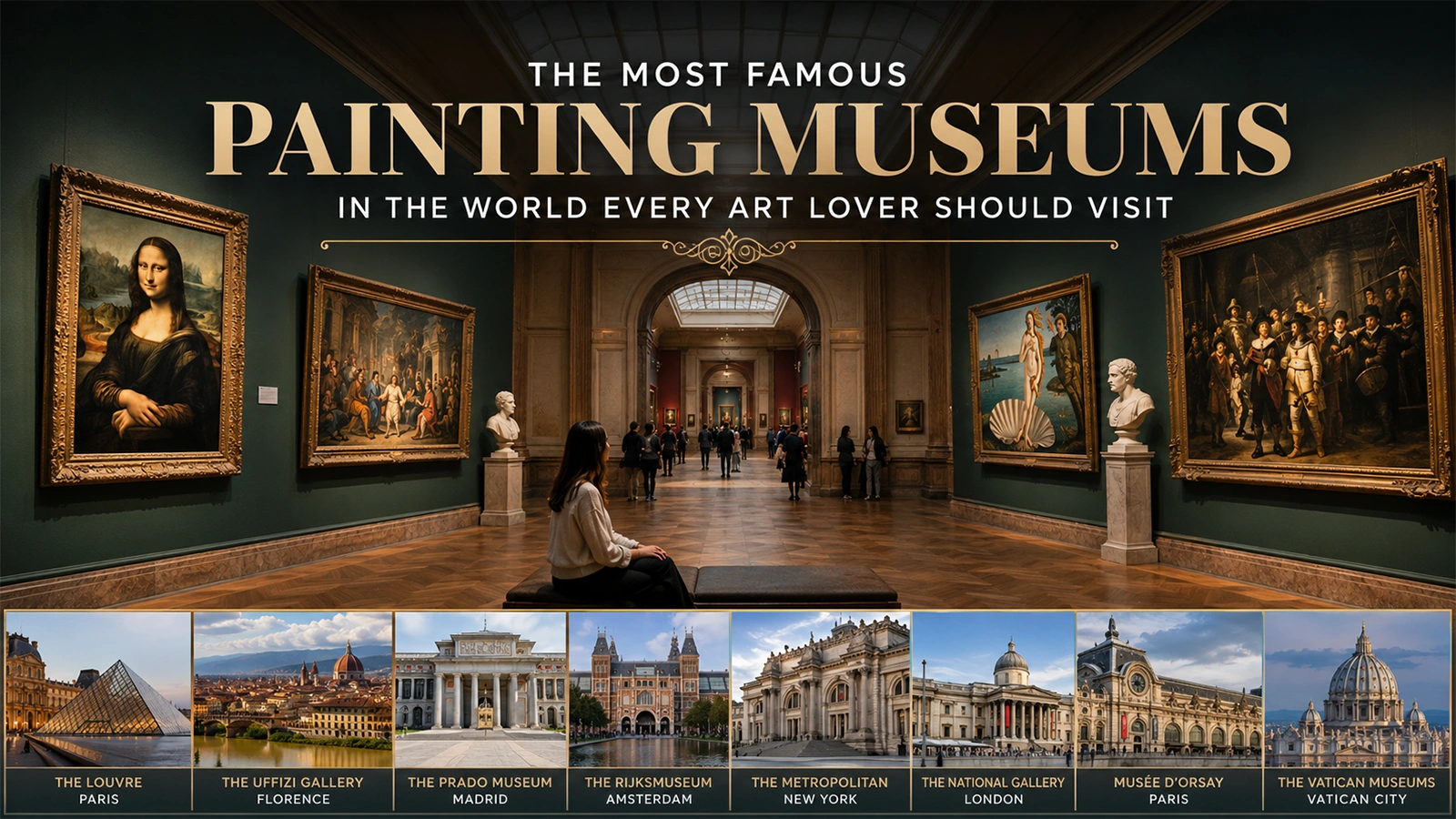
The world's most famous painting museums are more than buildings full of old canvases — they are living libraries of human imagination. From the marble halls of Paris to the Renaissance heart of Florence, these galleries hold the masterpieces that shaped how we see beauty, history, and ourselves. If you love art, walking through them is a kind of pilgrimage. In this guide, we'll explore the greatest painting museums every art lover should visit at least once, what makes each one special, and how to get the most out of your time inside them.
Why Painting Museums Matter to Every Art Lover
A great painting museum does something no photograph or textbook can: it puts you in the same room as the original brushstroke. Standing before a canvas that an artist touched centuries ago, you notice the texture of the paint, the true scale of the work, and the small details that reproductions flatten away. These museums preserve fragile masterpieces, tell the story of entire civilizations, and connect millions of visitors to a shared cultural heritage. For travelers, they are also gateways into a city's soul — a way to understand a place through the art it treasures most.
The Most Famous Painting Museums in the World
1. The Louvre — Paris, France
No list of famous painting museums is complete without the Louvre, the most visited art museum on Earth. Home to Leonardo da Vinci's Mona Lisa and thousands of European paintings, the Louvre spans centuries of artistic genius under one legendary glass pyramid. Its collection is so vast that seeing everything in a single day is impossible — which is exactly why art lovers return again and again. Plan your visit around a few key wings, and arrive early to enjoy the masterpieces before the crowds arrive.
2. The Uffizi Gallery — Florence, Italy
If the Renaissance had a home, it would be the Uffizi Gallery. This Florentine treasure houses Botticelli's The Birth of Venus, works by Michelangelo, Raphael, Titian, and Caravaggio, and some of the most important paintings in the history of Western art. Walking its corridors feels like stepping directly into 15th-century Italy. For anyone who wants to understand how painting evolved, the Uffizi is essential viewing.
3. The Prado Museum — Madrid, Spain
Spain's Museo del Prado is a paradise for lovers of European painting. It holds the world's finest collection of Spanish art, including the haunting works of Goya, the royal portraits of Velázquez, and masterpieces by El Greco, Rubens, and Bosch. The Prado is celebrated for its depth rather than its size, rewarding visitors who take their time with each gallery.
4. The Rijksmuseum — Amsterdam, Netherlands
The Rijksmuseum is the beating heart of the Dutch Golden Age. Its crown jewel, Rembrandt's monumental The Night Watch, draws visitors from around the globe, while Vermeer's quiet interiors reveal the everyday beauty of 17th-century Holland. Beautifully restored and thoughtfully arranged, the Rijksmuseum is one of the most rewarding painting museums in Europe.
5. The Metropolitan Museum of Art — New York, USA
Known simply as The Met, this New York landmark offers one of the most comprehensive painting collections in the world. From European Old Masters to American icons and Impressionist favorites, the Met lets you travel across continents and centuries in a single afternoon. It's the perfect starting point for art lovers exploring the United States.
6. The National Gallery — London, United Kingdom
Overlooking London's Trafalgar Square, the National Gallery holds more than 2,000 paintings spanning the 13th to the 19th centuries. Van Gogh's Sunflowers, works by Turner, Rembrandt, and da Vinci, and countless European masterpieces make it one of the most beloved — and freely accessible — galleries in the world.
7. The Musée d'Orsay — Paris, France
Housed in a stunning former railway station, the Musée d'Orsay is the definitive home of Impressionism. Here you'll find Monet, Renoir, Degas, and Van Gogh gathered under one soaring roof. For lovers of light, color, and emotion, no museum captures the spirit of modern painting quite like d'Orsay.
8. The Vatican Museums — Vatican City
The Vatican Museums lead visitors through centuries of sacred art, culminating in Michelangelo's breathtaking Sistine Chapel ceiling. Few experiences in the art world rival the moment you look up at that painted sky. It is a must-see for anyone tracing the story of painting through history and faith.
How to Plan a Visit to a Famous Painting Museum
Visiting a world-class museum can feel overwhelming, but a little planning turns it into an unforgettable experience. Keep these tips in mind:
- Book tickets in advance. The most famous museums often sell out or have long queues. Online tickets save hours of waiting.
- Arrive early or visit late. The first and last hours of the day are the calmest, giving you space to enjoy the paintings.
- Choose a few highlights. Don't try to see everything. Pick the masterpieces and galleries that matter most to you.
- Use a map or guided tour. A good route helps you cover the essentials without missing hidden gems.
- Wear comfortable shoes. These museums are enormous, and you'll be on your feet for hours.
If you're new to appreciating art, our guide on how to read a painting will help you understand what you're looking at — and make every gallery far more meaningful.
What Makes These Museums So Special
The world's greatest painting museums share a rare combination of qualities. They protect original masterpieces that define entire art movements, they present those works in spaces designed to inspire, and they welcome millions of visitors from every background. Each museum also reflects the identity of its city — the Louvre embodies French grandeur, the Uffizi breathes Renaissance Italy, and the Rijksmuseum captures Dutch pride. Together, they form a global map of human creativity that any art lover can follow across the world.
Great museums don't just display art — they preserve the moments when humanity saw the world in a new way.
Tips for Getting the Most Out of Your Museum Experience
To truly connect with the art, slow down. Choose a handful of paintings and spend real time with each one. Notice the composition, the use of light, the emotion in a subject's face. Read the small placards for context, but also let yourself simply feel the work. Many art lovers find that a single unforgettable painting means more than rushing past a hundred. Bring a notebook, take mental snapshots, and give yourself permission to sit and reflect. The goal isn't to see everything — it's to experience something deeply.
Frequently Asked Questions About Famous Painting Museums
Which is the most famous painting museum in the world?
The Louvre in Paris is widely regarded as the most famous painting museum, largely due to the Mona Lisa and its unmatched visitor numbers.
How much time do I need to visit a major art museum?
Plan for at least two to three hours for the highlights. For the largest museums like the Louvre or the Met, a full day still won't cover everything — so focus on the collections you care about most.
Are famous painting museums suitable for beginners?
Absolutely. Most world-class museums offer guided tours, audio guides, and clear signage that make them welcoming for first-time visitors and lifelong art lovers alike.
Final Thoughts: Begin Your Own Art Journey
The most famous painting museums in the world are more than travel destinations — they are places where history, beauty, and human emotion come alive on canvas. Whether you're standing before the Mona Lisa in Paris or gazing at Rembrandt in Amsterdam, each visit deepens your love of art and your understanding of the world. Choose a museum that speaks to you, plan your trip, and step inside. Your next great artistic discovery is waiting on the wall. Explore more art and travel guides on our blog to plan your perfect museum journey.