The Ultimate Guide to Visiting a Painting Museum: Everything You Need to Know
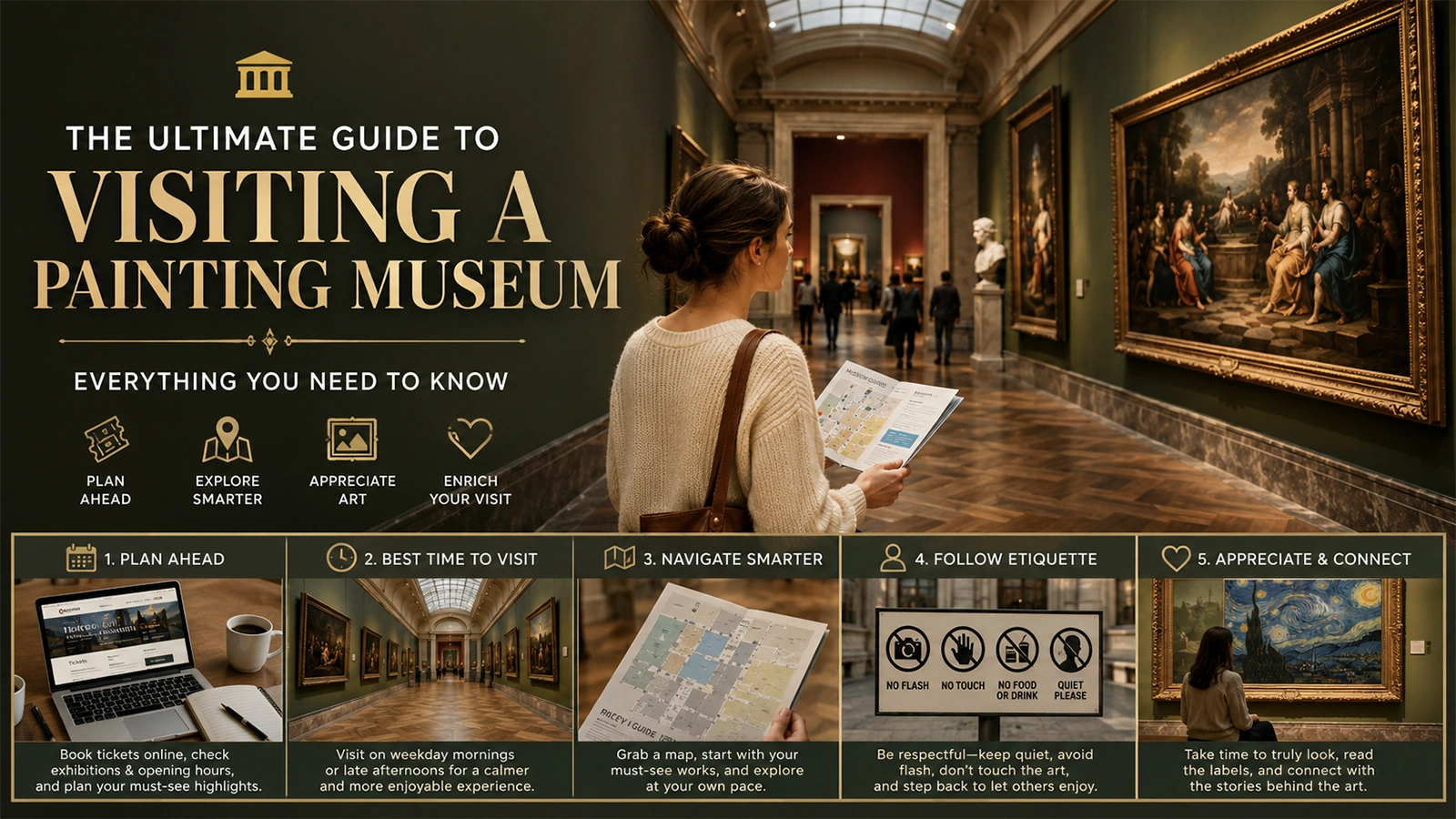
Visiting a painting museum is one of the most rewarding ways to slow down, look closely, and connect with centuries of human creativity — but a little planning transforms a good visit into an unforgettable one. Whether you are wandering past luminous landscapes, bold portraits, or sweeping historical canvases, knowing how to prepare, navigate, and pace yourself makes all the difference. This complete art museum guide walks you through everything from booking tickets to museum etiquette, so you can spend less time feeling lost and more time falling in love with the art in front of you.
Before You Go: Tickets, Timing, and Planning
The most enjoyable museum days start long before you walk through the doors. A few smart decisions in advance will spare you queues, crowds, and the frustration of missing the exhibitions you came to see. This is where good museum visit tips genuinely pay off.
Booking Your Tickets
Most museums now offer online tickets with timed entry slots, and buying ahead is almost always the better choice. Advance tickets often cost less than at-the-door prices, guarantee your entry on busy days, and let you skip the ticket line entirely. Look out for free or discounted admission days, memberships that pay for themselves after two visits, and reduced rates for students, seniors, and children. If a special or touring exhibition is on, reserve that separately — these popular shows frequently sell out well before the permanent galleries do.
Choosing the Right Time to Visit
Timing shapes your entire experience. Weekday mornings, especially right at opening, tend to be the calmest, giving you quiet galleries and unobstructed views of the most famous works. Weekends, holidays, and the hours between late morning and mid-afternoon draw the biggest crowds. If your schedule is flexible, consider late-afternoon or evening hours where offered — many museums stay open late one night a week, sometimes with a relaxed, social atmosphere. Aim to give yourself at least two to three hours, and longer if the collection is large.
Do a Little Homework
You do not need an art history degree to appreciate a painting, but a small amount of preparation deepens the reward. Browse the museum's website, note two or three highlights you truly want to see, and skim the floor plan so you have a rough route in mind. Knowing what matters most to you means that even a short visit feels complete rather than rushed.
Getting Around the Galleries
Large museums can feel like mazes, and it is easy to burn out drifting aimlessly from room to room. A simple strategy keeps you energized and ensures you see what you came for.
Have a Plan, but Stay Flexible
Start with your must-see works while your attention is freshest, then let yourself wander. Many seasoned visitors follow a loose loop rather than trying to see every single piece — attempting to view everything is the fastest route to museum fatigue. It is perfectly fine to walk past a gallery that does not speak to you and linger longer in one that does.
Guided Tours and Audio Guides
If you want context and storytelling, guided tours are one of the best investments you can make. A knowledgeable docent reveals the techniques, history, and hidden details behind paintings you might otherwise stroll past. Prefer to move at your own pace? Audio guides and free museum apps offer curated routes and commentary you control with a tap. Many institutions also offer free daily highlight tours included with admission — a wonderful option for first-time visitors who want orientation without commitment.
Reading the Labels — Without Reading Them All
Wall labels provide the artist, title, date, and often a short explanation. They are helpful, but resist the urge to read every one. A useful habit is to look at the painting first, form your own impression, and only then read the label to see how it reshapes what you noticed. The art should lead; the text should follow.
Museum Etiquette and Rules
Museums are shared spaces, and a little courtesy keeps the experience pleasant for everyone. Museum etiquette is mostly common sense, but a quick refresher never hurts, especially for those new to these quiet, art-filled halls.
The Essential Do and Don't List
- Do keep a respectful distance from the artwork — alarms and floor lines exist to protect fragile, irreplaceable pieces.
- Do speak in a low voice so others can enjoy the calm atmosphere.
- Do check the photography policy; many galleries allow photos without flash, while some prohibit it entirely.
- Do step back and let others have a clear view of popular works.
- Don't touch the paintings or their frames, even gently — skin oils cause real, lasting damage.
- Don't use flash photography, selfie sticks, or tripods unless expressly permitted.
- Don't bring food, drinks, or large bags into the galleries.
- Don't block walkways or crowd around a single canvas for too long when others are waiting.
Respecting the Art and the Staff
Gallery attendants are there to protect the collection and help you, not to police your enjoyment. If you are unsure whether something is allowed — sketching, a particular bag, a stroller — simply ask. A friendly question is always welcome, and staff often share fascinating tidbits about the works if you show genuine curiosity.
The best museum visitors are not the ones who see the most paintings, but the ones who let a single painting truly see them — who stand long enough for a work to unfold, surprise, and stay with them for years.
Making the Most of Your Time
You have your ticket and you know the rules — now the real pleasure begins. How you approach the art matters more than how much of it you cover.
Slow Looking
Studies of gallery behavior suggest most visitors spend only a handful of seconds in front of any given painting. Try the opposite. Choose a few works and spend several unhurried minutes with each. Notice the brushwork, the way light falls across a figure, the colors the artist chose and the ones they avoided. This practice, sometimes called slow looking, consistently turns a forgettable walk-through into a memorable encounter.
Take Breaks and Recharge
Museum fatigue is real, and it is physical as much as mental. Standing and concentrating for hours is tiring, so plan a pause at the café or a quiet bench roughly halfway through. A ten-minute rest resets your focus and lets the second half of your visit feel as fresh as the first.
Engage Actively
Bring a small notebook to jot down favorites, sketch a composition, or note questions to look up later. If you are visiting with friends or children, invite conversation — ask what each person notices, which painting they would take home, and why. Turning a visit into a shared, curious dialogue makes the art come alive.
What to Bring — and What to Leave Behind
Packing well keeps you comfortable and compliant with museum policies. The goal is light, practical, and hands-free.
Your Museum Essentials
- Comfortable shoes — you will walk and stand far more than you expect.
- A small notebook and pencil for notes or sketches (pens are often discouraged near art).
- A refillable water bottle to use in permitted areas.
- Layers, since galleries are kept cool and controlled to protect the paintings.
- Your booking confirmation, on your phone or printed.
What to Leave at Home or in the Cloakroom
Large backpacks, suitcases, umbrellas, and bulky coats usually must be checked at the cloakroom, so travel light to save time. Most museums provide free or low-cost storage — a small convenience that lets you move freely without a heavy bag knocking against a priceless frame.
Accessibility and Amenities
Modern museums work hard to welcome every visitor, and knowing what is available helps you plan a smooth, comfortable day.
Accessibility Services
Most major museums offer step-free access, elevators, and wheelchairs available to borrow, often at no cost. Many also provide large-print guides, sensory-friendly hours, audio description, and tactile tours for visitors who are blind or have low vision. If you have specific needs, contact the museum ahead of time — staff are usually happy to arrange support and can advise on the quietest times to visit.
Amenities That Enhance Your Visit
Beyond the galleries, museums are rich in extras. Cafés and restaurants offer a welcome pause, gift shops let you take a piece of inspiration home, and libraries or study rooms invite deeper exploration. Free Wi-Fi, cloakrooms, family facilities, and quiet lounges are increasingly standard. Factoring these into your day means you can rest, refuel, and reflect without cutting your visit short.
Frequently Asked Questions
How long should I spend visiting a painting museum?
For a mid-sized collection, plan on two to three hours. Larger institutions can easily fill a full day, but rather than rushing to see everything, it is better to focus on a few galleries or highlights and give them your full attention. Quality of attention always beats quantity of paintings.
What should first-time visitors know before they arrive?
First-time visitors should book timed tickets in advance, arrive near opening for smaller crowds, wear comfortable shoes, and pick two or three works they most want to see. Do not worry about art expertise — curiosity is the only requirement, and a free highlights tour or audio guide will quickly help you feel at home.
Can I take photos inside the museum?
Often yes, but policies vary. Many museums permit non-flash photography for personal use, while flash, tripods, and selfie sticks are commonly banned, and certain touring exhibitions forbid photos entirely. Always check the signs at the entrance or ask an attendant, and remember to be considerate of other visitors when framing your shot.
Start Planning Your Visit Today
Visiting a painting museum is not about ticking off masterpieces — it is about giving yourself the time and space to be moved by them. With your tickets booked, a loose route in mind, comfortable shoes on your feet, and a little etiquette in your pocket, you are ready to enjoy the art on your own terms. Every gallery holds a story waiting for someone willing to look closely, and that someone can be you.
Ready to go deeper? Learn how to build the perfect itinerary in our guide on how to plan the perfect art museum visit during your trip, then get inspired by a traveler's guide to the world's most famous painting museums. For more tips, stories, and inspiration, explore the rest of our blog — and we hope to see you in the galleries soon.